Tai-Heng Cheng
How International Law Works
How International Law Works
Couldn't load pickup availability
Dispatch and delivery
Dispatch and delivery
Printed after you order and usually delivered within 2–4 weeks. Once printing has commenced, your order may not be cancelled.
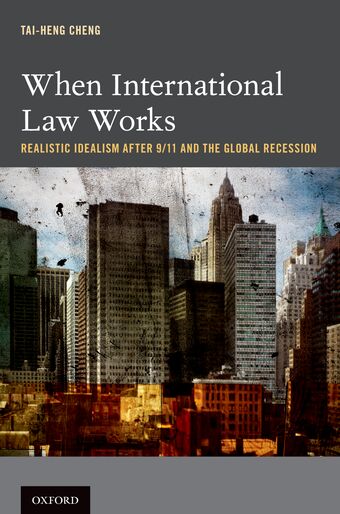
In When International Law Works, Professor Tai-Heng Cheng transcends current debates about whether international law is really law by focusing on the reasons for complying with or deviating from international laws and other informal norms, whether or not they are 'law.' Cheng presents a new framework to guide decision makers when they confront an international problem that implicates the oftencompeting policies and interests of their own communities and global order. Instead of advocating for or against international law, Cheng acknowledges both its benefits and shortcomings in order to present practical ways to decide whether compliance in a given circumstance is beneficial, moral, or necessary, and to adjust international law to meet the contemporary challenges of global governance. In this manner, Cheng shows how it is possible for decision makers to take international law and its limitations seriously. To test his theory, Cheng provides detailed case studies from recent events, ranging from the current global economic crisis to jihadist terrorism. This wideranging research demonstrates how his proposal for approaching international law would work in a real crisis, and sets this book apart from scholarship that focuses only on theory or isolated fields of international law. Through a critical combination of theory and practice, When International Law Works gives policymakers, judges, arbitrators, scholars, and students practical and thought-provoking guidance on how to face new global problems. In doing so, this new book challenges readers to rethink the role of law in an increasingly crisis-driven world.
Share