O. Joseph Bienvenu
Psychological and Cognitive Impact of Critical Illness
Psychological and Cognitive Impact of Critical Illness
Couldn't load pickup availability
Dispatch and delivery
Dispatch and delivery
Printed after you order and usually delivered within 2–4 weeks. Once printing has commenced, your order may not be cancelled.
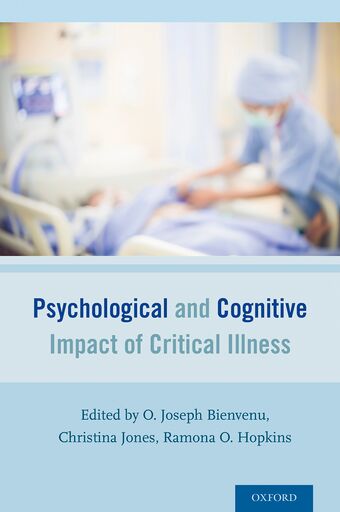
Neuropsychiatric problems after critical illness are receiving increasing attention, particularly in the critical care medicine literature, but mental health and primary care clinicians should also be interested in these common problems, given the growing number of critical illness survivors who need care. Patients frequently come out of the intensive care unit (ICU) with horrifying distorted memories and don't understand what has happened to them. Not only are patients debilitated with ICU-acquired weakness and cognitive impairment, they are traumatized by actual experiences (e.g., shortness of breath and pain) and distorted memories (of being tortured, raped, assaulted, or imprisoned) shaped by delirium. Patients' family members are also frequently quite distressed, and children surviving critical illnesses appear to have similar experiences to adults. This book provides an overview of the nature and epidemiology of cognitive and other psychiatric problems in this growing population, and it addresses the small but growing literature on prevention and early intervention efforts. Addressing these problems successfully will require collaborative interventions, both in-ICU and post-ICU.
Share